Define the search job before buying travel equipment
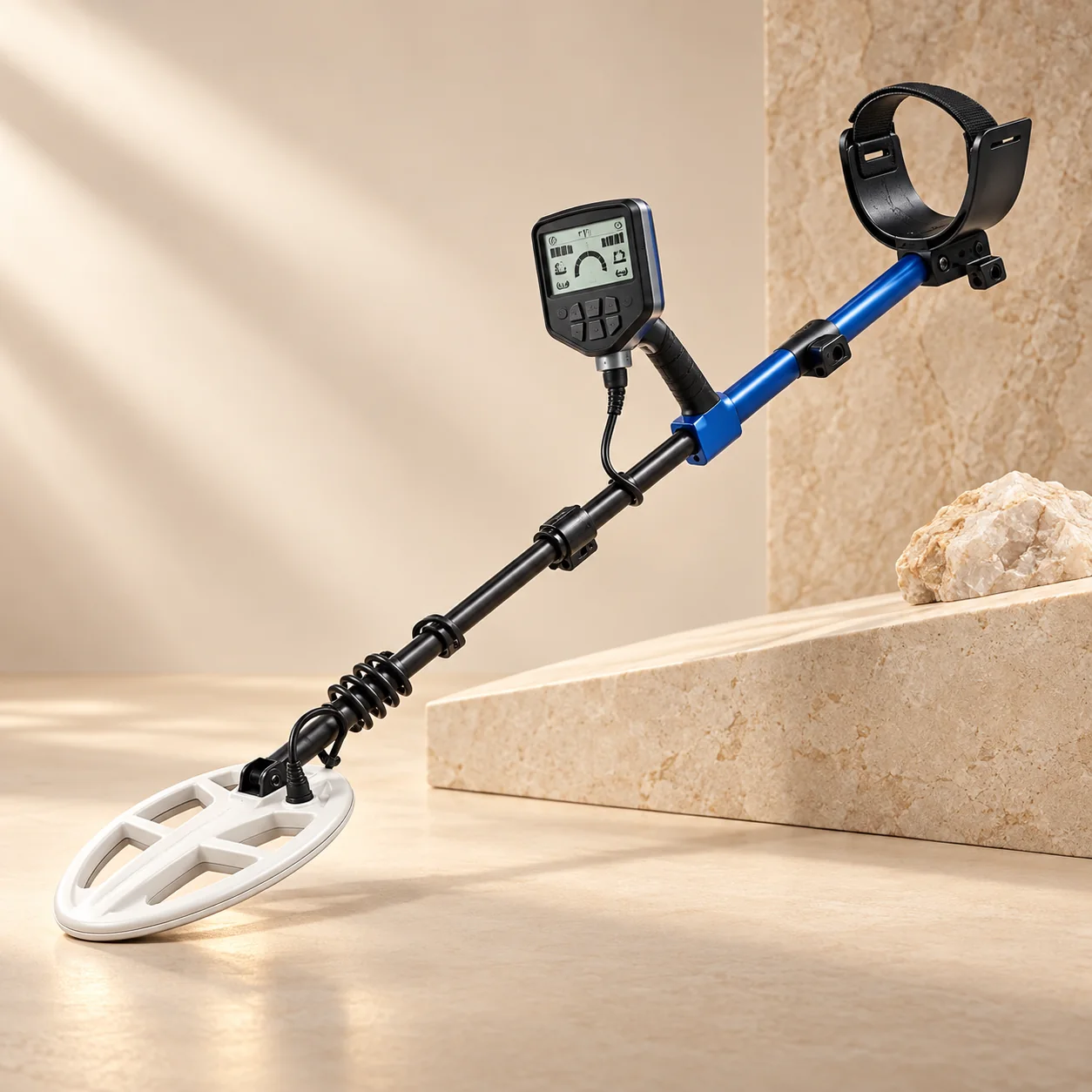
A buyer comparing metal detectors for outdoor travel should start with the actual journey. A trip to Georgia gives a detector buyer a concrete planning problem, but the destination alone cannot establish that a particular device is suitable or that detecting is permitted at a chosen site. Describe the ground you expect to encounter, the size of object you hope to identify, how far you will carry the equipment and whether you will have a legal right to search. These questions matter before a model comparison. The Minelab Gold Monster 2000 is a machine associated with natural gold prospecting, yet a product label is not a permit, a performance guarantee or a substitute for field research. Use the Georgia Travel to understand the wider trip, and separately confirm local access rules with the responsible authority.
Separate a travel plan from permission to detect
Tourism information can help you plan routes, transport and accommodation. It does not authorise metal detecting, excavation or removal of finds. Before packing equipment for Georgia, identify the exact land parcel and check the rules that apply there, including protected landscapes, heritage sites and private land. Ask the relevant authority for written guidance when the position is unclear. Keep the reply with your itinerary so that a change of location does not become an assumption that the same permission applies everywhere. If you cannot confirm lawful access, treat the device as equipment for a future approved outing rather than as an activity promised by the holiday.
Compare the complete package rather than the model name
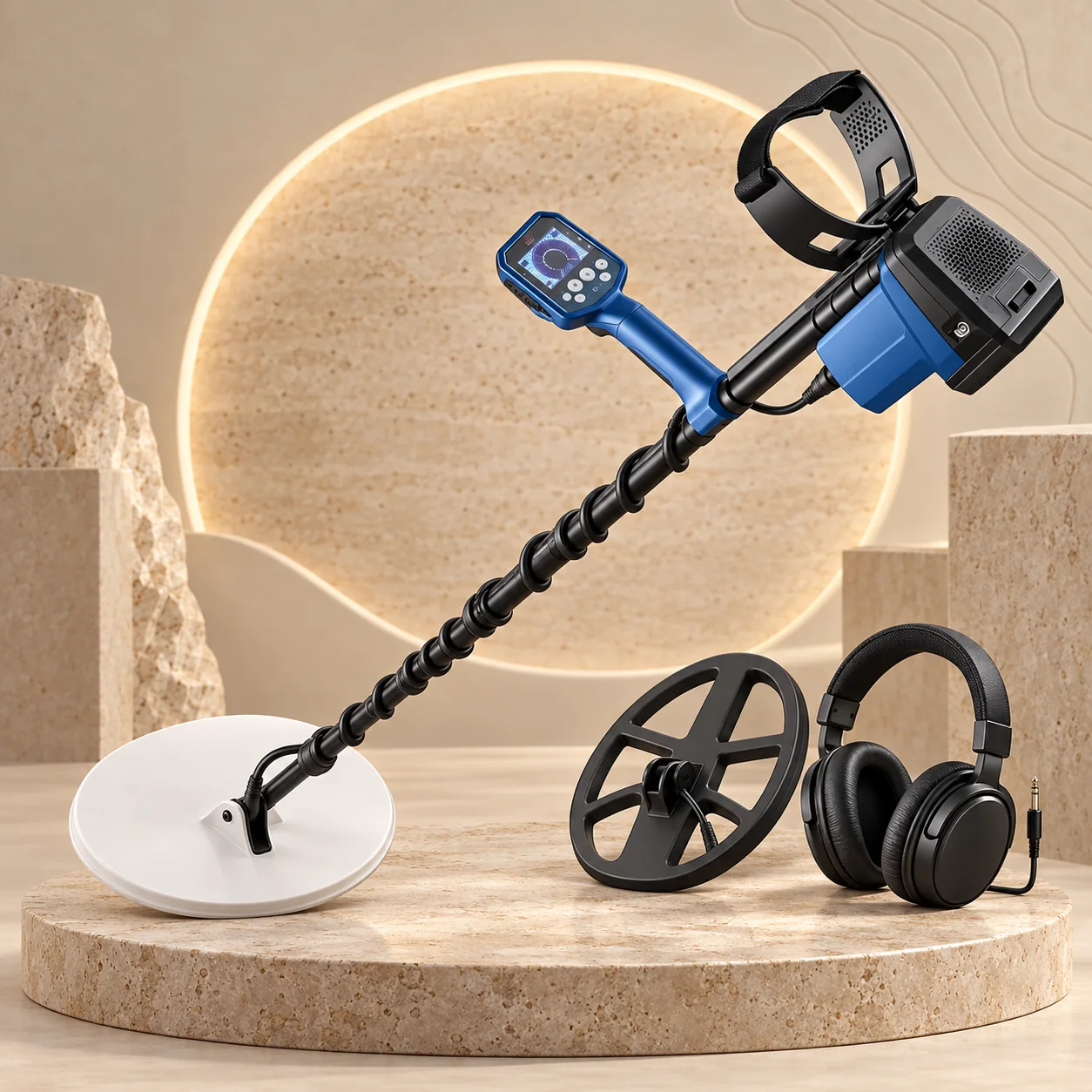
A product listing may show the detector body while the actual travel kit includes a particular coil, power arrangement, charger, case and printed or digital instructions. Request a written list of everything supplied with the Minelab Gold Monster 2000 before assessing value. Check whether the coil shown in photographs is the coil in the offer and whether spare parts or training are included. The total package matters because an apparently cheaper unit may require accessories before it can be used in a field session. Ask the seller to identify optional items explicitly and retain the list with the eventual invoice.
Plan transport around dimensions and power rules
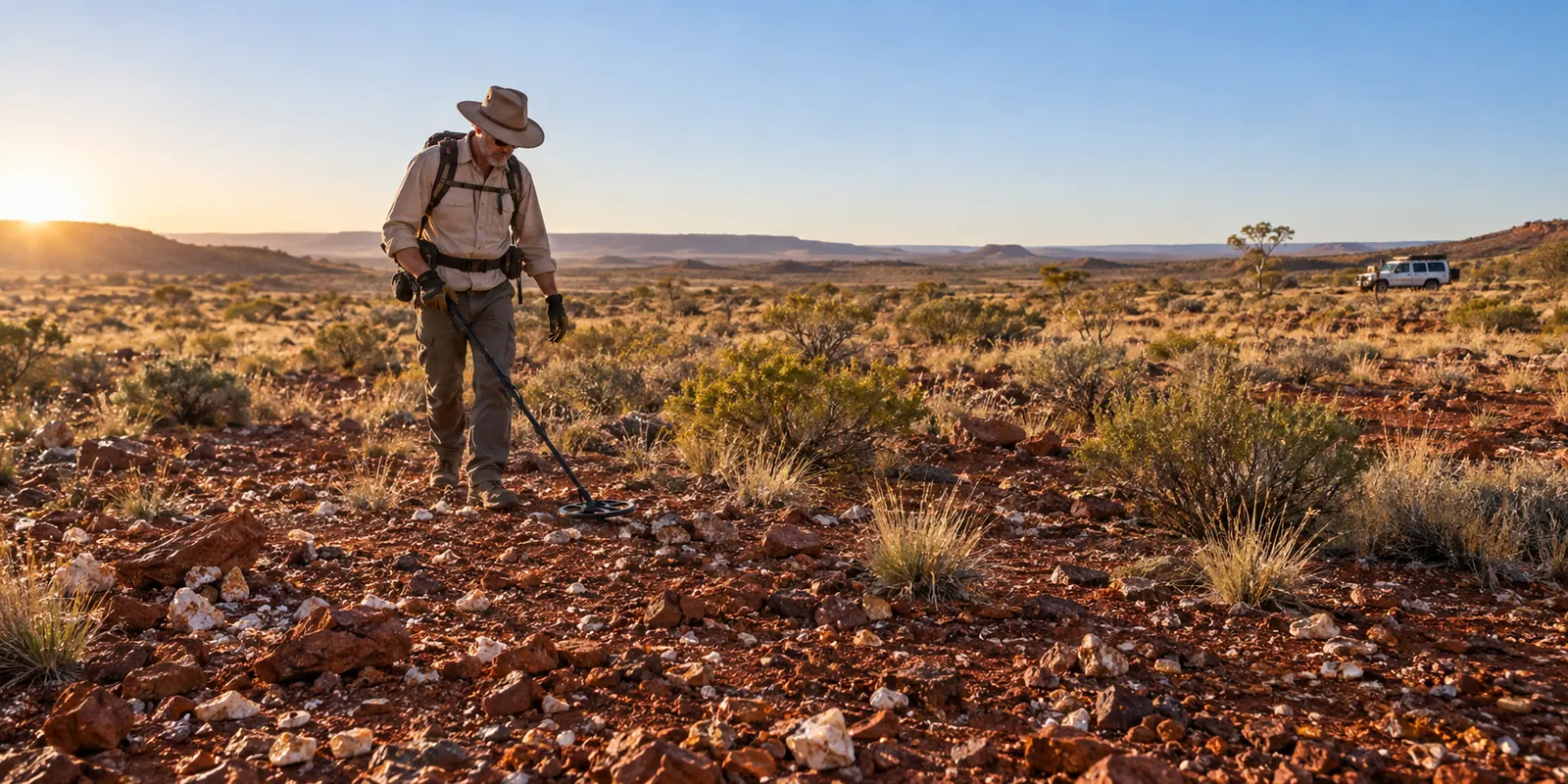
Airline luggage rules, battery restrictions and transfer arrangements should be checked against the exact equipment and carrier rather than guessed from a product image. Measure the packed length and weight after adding the case, coil and accessories. Remove or secure detachable parts following manufacturer guidance, and protect connectors from impact. Confirm any battery transport requirements directly with the airline before departure; rules may vary by battery chemistry, rating and whether it is installed in the device. A packing rehearsal at home is useful because it reveals missing components without sacrificing the first day of a journey.
Practise settings before the destination field day
- Use a controlled and permitted location at home to learn the basic setup, target response and shutdown sequence. Record settings, target material, ground conditions, sweep speed and coil height. Repeat each test so that a single strong response is not mistaken for a universal capability.
- Practise with gloves and a realistic carrying load, then note how long the full setup remains comfortable. If the controls are hard to interpret, seek the correct manual or a retailer demonstration. The purpose is operational familiarity, not a claim that the device will perform identically in unfamiliar Georgia ground.
Keep the route flexible when conditions change
A Georgia itinerary can include city visits, mountain scenery and rural stops, but weather, transport and site access can change. Build a field day as an optional branch of the journey. Keep a cultural or walking alternative for any day when permission, conditions or equipment readiness are uncertain. This prevents pressure to use a detector simply because it has been transported. Store the kit securely, keep records of where it may be used, and avoid making assumptions based on activity seen in photographs online. A flexible plan is more robust than a schedule that depends on an unverified detecting opportunity.
Use a written quote for the Australian purchase
For an Australian buyer, ask for the exact model, included coil, power accessories, GST treatment, freight, dispatch estimate, warranty contact and return conditions on one quotation. Availability should be confirmed immediately before payment because a product page is not a live stock guarantee. If a package is presented as suited to travel, ask which components make that claim practical. Check that any service support is accessible from Australia after the trip. Record the name and date of the person who confirms the offer, then compare competing quotations on the same supplied-items basis. Availability can change; check the seller before relying on stock or dispatch dates.
Read performance claims in their field context
A depth number or a successful demonstration clip cannot tell you how the detector will respond to every target in every soil. Target size, orientation, mineralisation, interference, coil selection and operator method all affect interpretation. Ask the seller what conditions accompanied a quoted result and whether it came from a controlled test or general marketing copy. A realistic comparison uses the same known targets and similar ground for each candidate. If such testing is unavailable, state the uncertainty openly rather than converting a broad claim into a promise about your Georgia itinerary.
Create a responsible first-session checklist
- Start by confirming land access and any required permission. Inspect the detector and the power system before leaving accommodation, then pack the manual, protective case, water and a way to record observations. At an approved site, document the initial settings and listen for environmental noise before increasing sensitivity.
- Sweep a known practice target, change one setting at a time and note each response. Avoid disturbing protected ground or leaving holes open. At the end of the session, clean the equipment as recommended and write down what you would alter next time.
Decide what the product page can and cannot prove
This temporary campaign page tests publication, language handling and managed links across the network. It is not a claim of a live sale, a current price, legal permission or guaranteed results in Georgia. The product record identifies a detector model and the questions a buyer should ask. A final purchase decision still requires current seller terms, a confirmed package and independent checks about the intended location. If any of those elements are missing, keep the decision open. The best outcome of the checklist is a narrower, more honest set of questions for the seller and destination authority.