What changes this decision in Australia?
Technical fit, commercial package and legal authority are separate checks. A detector specification helps select equipment; a written quote fixes the package; state rules, land tenure, landholder or tenement consent and protected-area restrictions determine whether and how the site may be searched.
- PI is not universally deeper, and VLF is not universally unusable in Australian ground.
- Compare the actual coil and stable settings, not technology labels alone.
- Check manufacturer controls and limits for the exact model.
PI vs VLF gold detectors Australia at a glance
| Question | PI route | VLF route |
|---|---|---|
| Severe variable ground | Often shortlisted for stability testing | Test ground range before raising sensitivity |
| Fine shallow gold | Compact coils and timings may respond well | High frequency can be responsive where stable |
| Target information | Often audio-led | May provide numerical or ferrous probability information |
| Field comparison | Same lane, target and coil-height controls | Same lane, target and coil-height controls |
Technology names describe different compromises
Pulse induction samples target response through timed pulses and is commonly selected for difficult mineralisation. VLF platforms use continuous transmitted and received signals and can provide detailed target information with strong fine-gold response at higher frequencies.
Neither label predicts the result without target size, ground, coil and controls. Compare official model functions, then test the exact configuration in a stable, repeatable lane.
Use mineralisation and target size together
Fine shallow targets can favour a small high-frequency VLF coil where ground balance remains stable. Severe ironstone, variable hot rocks or conductive conditions can make a PI route attractive, but PI mode, timing and coil still need testing.
Do not translate an air-test distance into field depth. Soil response, orientation, target mass, coil geometry, sweep height and interference all alter the result.
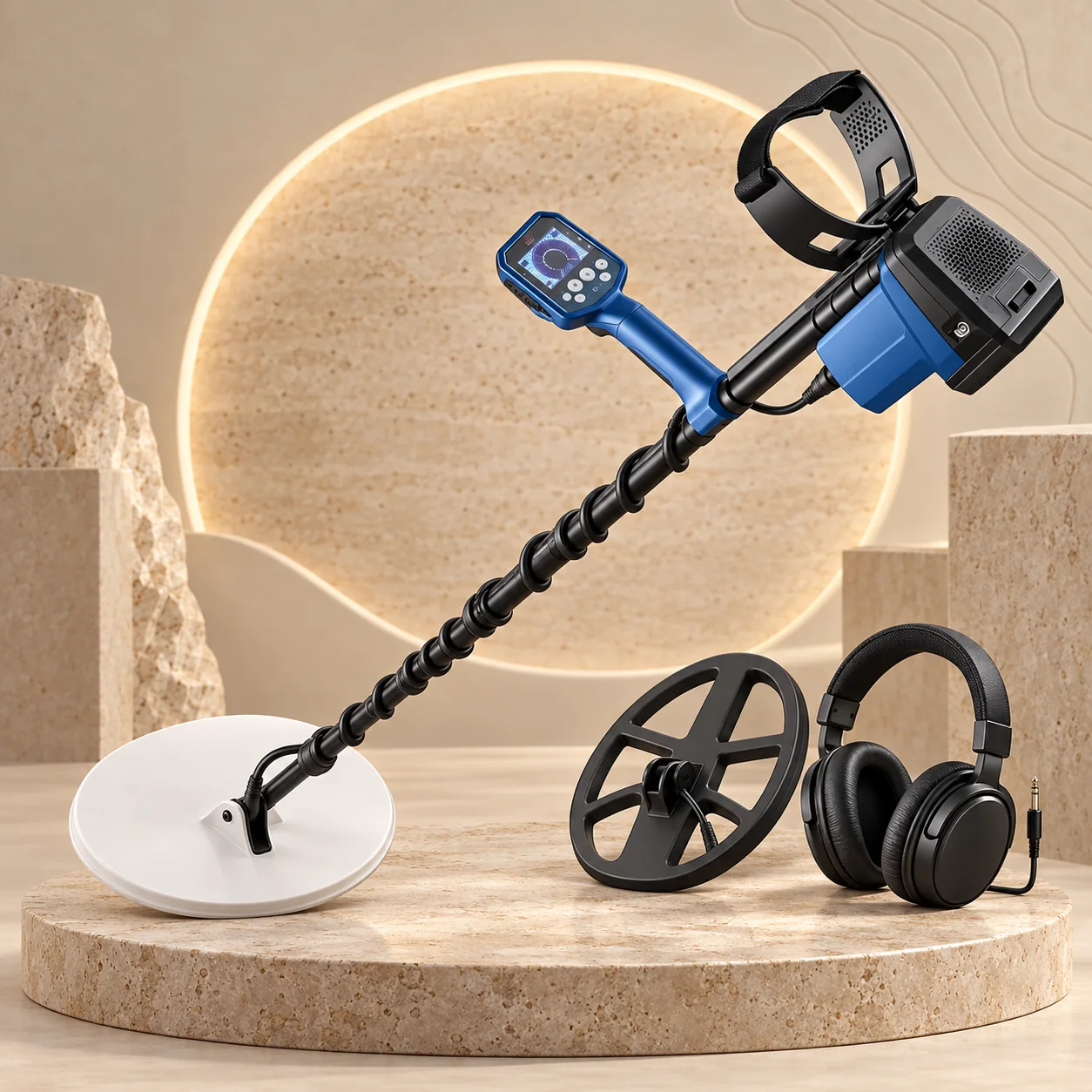
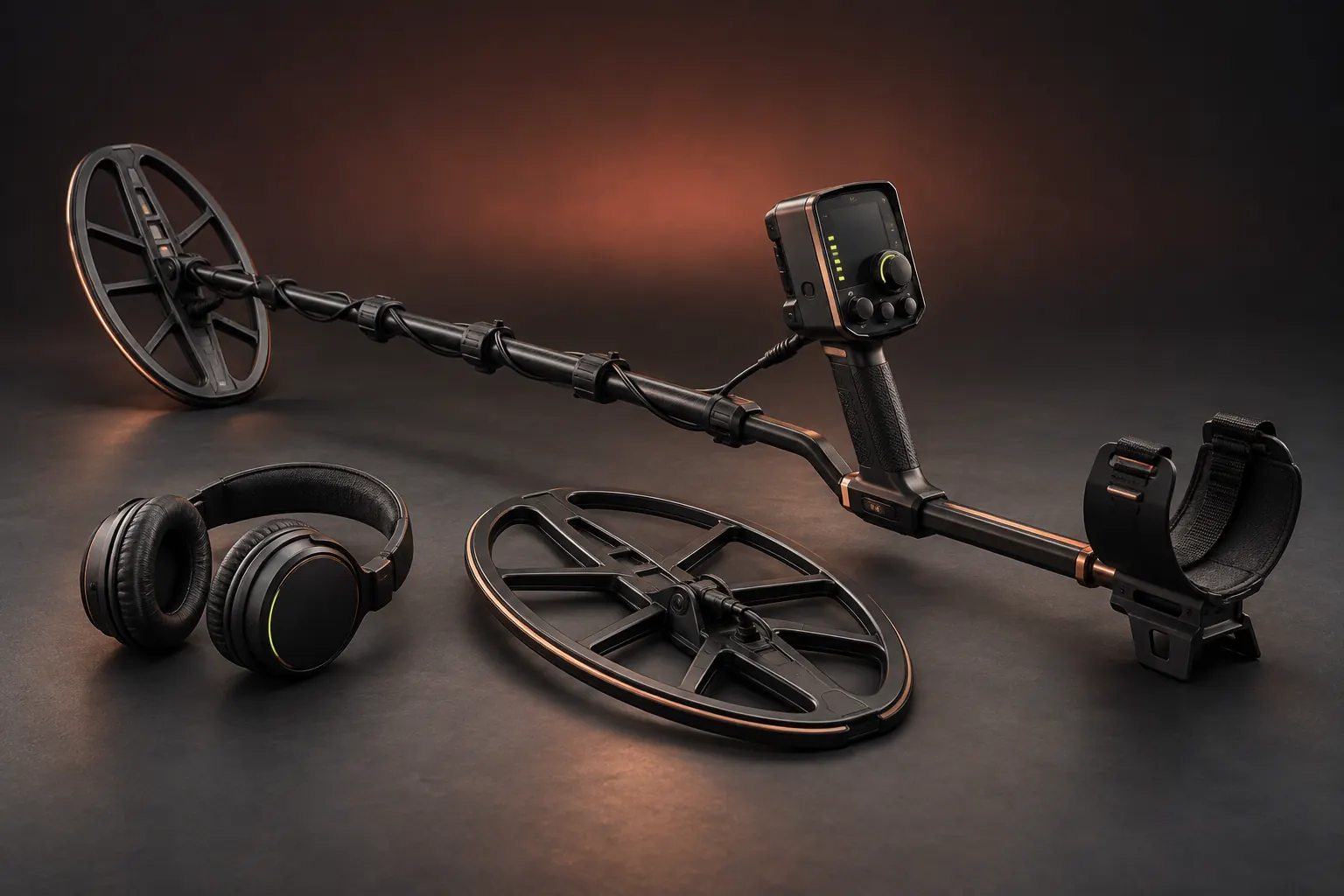
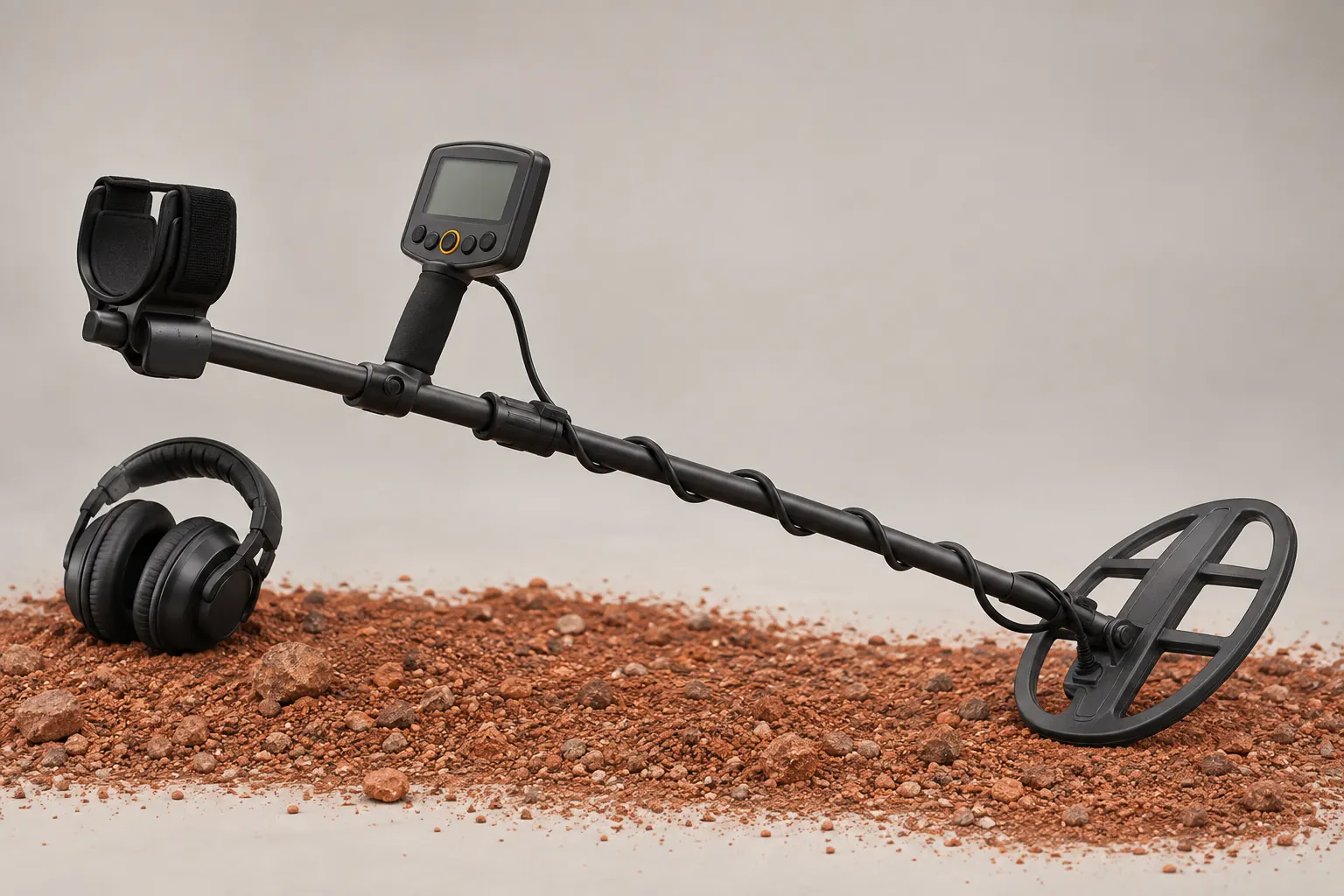
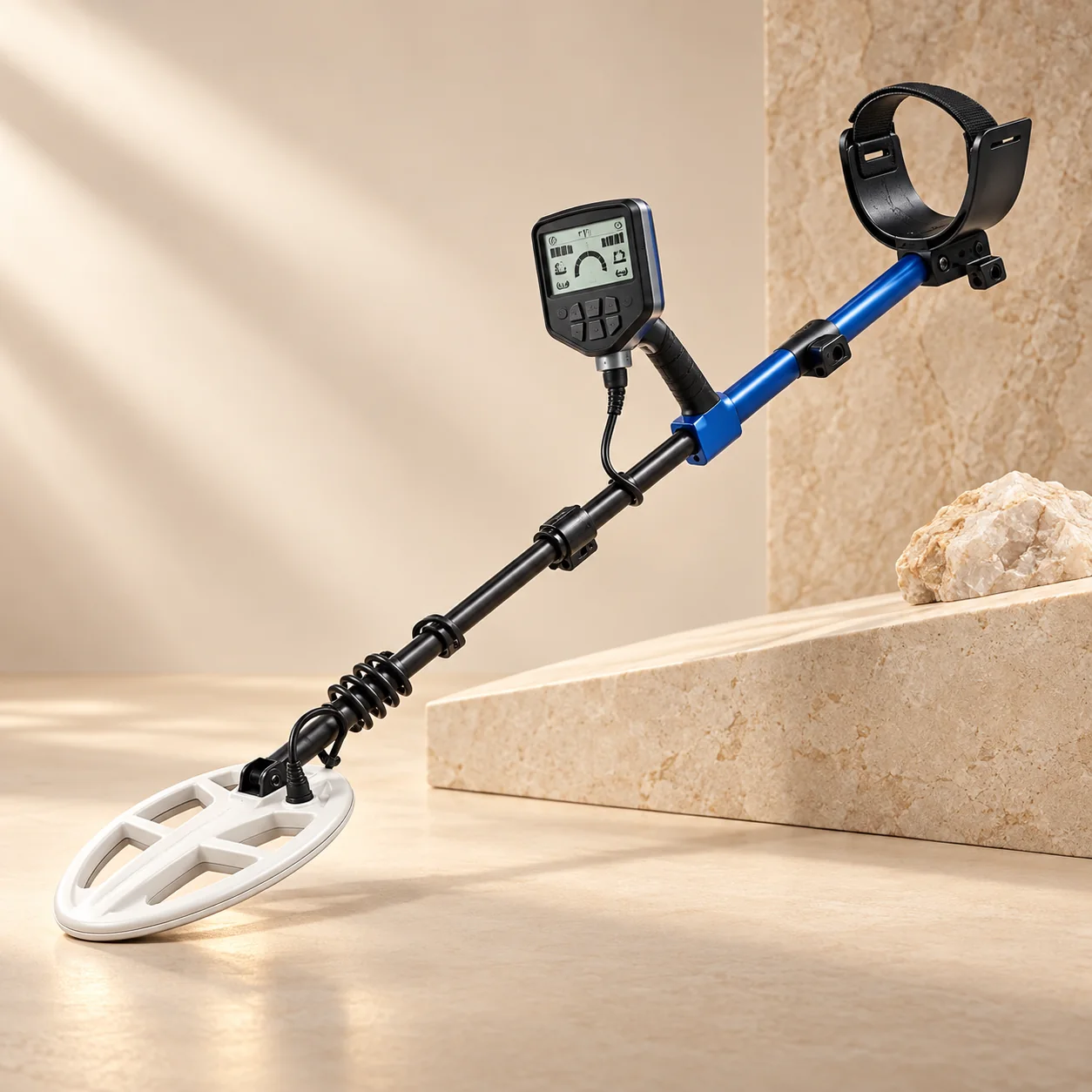
Compare usable information and coverage
VLF target ID can help prioritise recovery but cannot prove identity. Many gold PI systems rely more heavily on threshold and audio shape. Compare how confidently the same weak signal repeats from two directions.
Measure area covered and fatigue alongside signal response. Small coils improve access and separation but reduce coverage; large coils add leverage and do not automatically improve every target.
Request equal packages and plan a trial
Record detector, exact coil, headphones, power, charger, covers, warranty, AUD total, GST, freight and availability. A manufacturer specification is not evidence of seller stock.
Test EMI first, establish the ground procedure, use reference targets, keep height and sweep constant, and change one setting at a time. Choose the platform that remains explainable for the intended patch.
Manufacturer and official authority sources
Checked 2026-09-15. Reopen the current source before relying on a specification, package detail or legal route.
Questions about PI vs VLF gold detectors Australia
Is PI always deeper than VLF?
No universal claim is valid. Depth changes with target size, orientation, ground, coil, timing and stable setup.
Is VLF useful for natural gold?
Yes, especially for fine shallow gold where the exact high-frequency system remains stable.
Can target ID confirm gold?
No. It is an interpretation aid affected by ground and target properties; recovery is required where lawful.