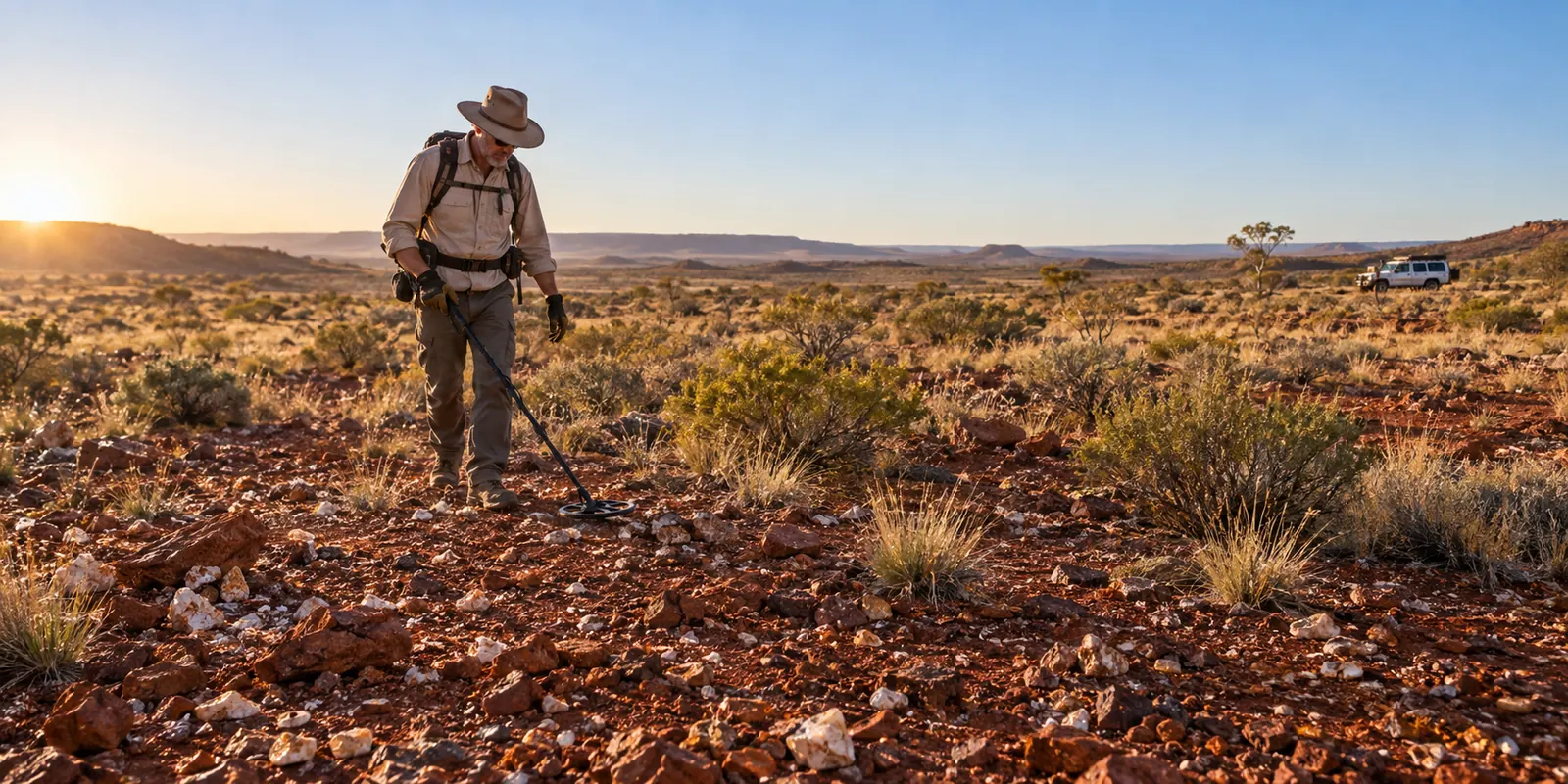
What changes this decision in Australia?
Technical fit, commercial package and legal authority are separate checks. A detector specification helps select equipment; a written quote fixes the package; state rules, land tenure, landholder or tenement consent and protected-area restrictions determine whether and how the site may be searched.
- Australian rules differ by state, land tenure and mineral tenement; equipment selection never grants access.
- Red ironstone, hot rocks, conductive salt and recent moisture can change the stable setup within one trip.
- Remote range, water, communications, charging and recovery planning belong in the buying decision.
best gold detector for Australian goldfields at a glance
| Field priority | Platform to investigate | Package question |
|---|---|---|
| Mobile PI coverage | GPX 6000 or Garrett Axiom | Which mono and DD coils, battery and audio are supplied? |
| Compact access and wet crossings | SDC 2300 | Is the fixed 8-inch coil and wired audio right for the route? |
| Fine shallow gold | GOLD MONSTER 2000 or Goldmaster 24K | Can the VLF remain stable on the intended patch? |
| Larger/deeper experienced search | GPZ 7000 | Has the operator tested mass, harness and coil control? |
| Salt-affected ground | PI mode and coil comparison | Which salt or conductive-ground procedure is documented? |
There is no single best detector across Australian ground
The phrase best gold detector hides several different jobs. Tiny shallow gold among quartz fragments, larger targets under deep wash, ironstone-rich flats and salt-affected lake margins do not present the same signal problem. A useful shortlist begins with expected target size, ground response, access, previous disturbance and the time available to grid a patch. Only then should platform, coil and controls enter the comparison.
Pulse induction is often shortlisted for difficult mineralisation, but PI models still differ in weight, timings, coil geometry, salt handling and audio. High-frequency VLF equipment can be highly responsive to fine gold where conditions allow stable operation. ZVT offers another specialist route with its own mass, coil and operator demands. Treat these as methods with trade-offs, not a ladder where price automatically predicts results.
Read the ground before ranking the detector
Before buying, describe whether the intended area contains magnetic ironstone, variable hot rocks, conductive clay, wet salt or electrical interference. Ask a seller to explain the exact ground procedure for the quoted coil and model. Manufacturer labels such as Difficult, Severe, Salt or Ground Track are meaningful only when tied to the current manual and a repeatable setup sequence.
A controlled field comparison uses a clean patch, an interference check, the documented ground routine and known reference targets at measured heights. Keep coil height, sweep speed and direction constant. Change one setting at a time and record why. A quieter threshold that allows repeatable overlap can deliver better coverage than an unstable maximum sensitivity setting.
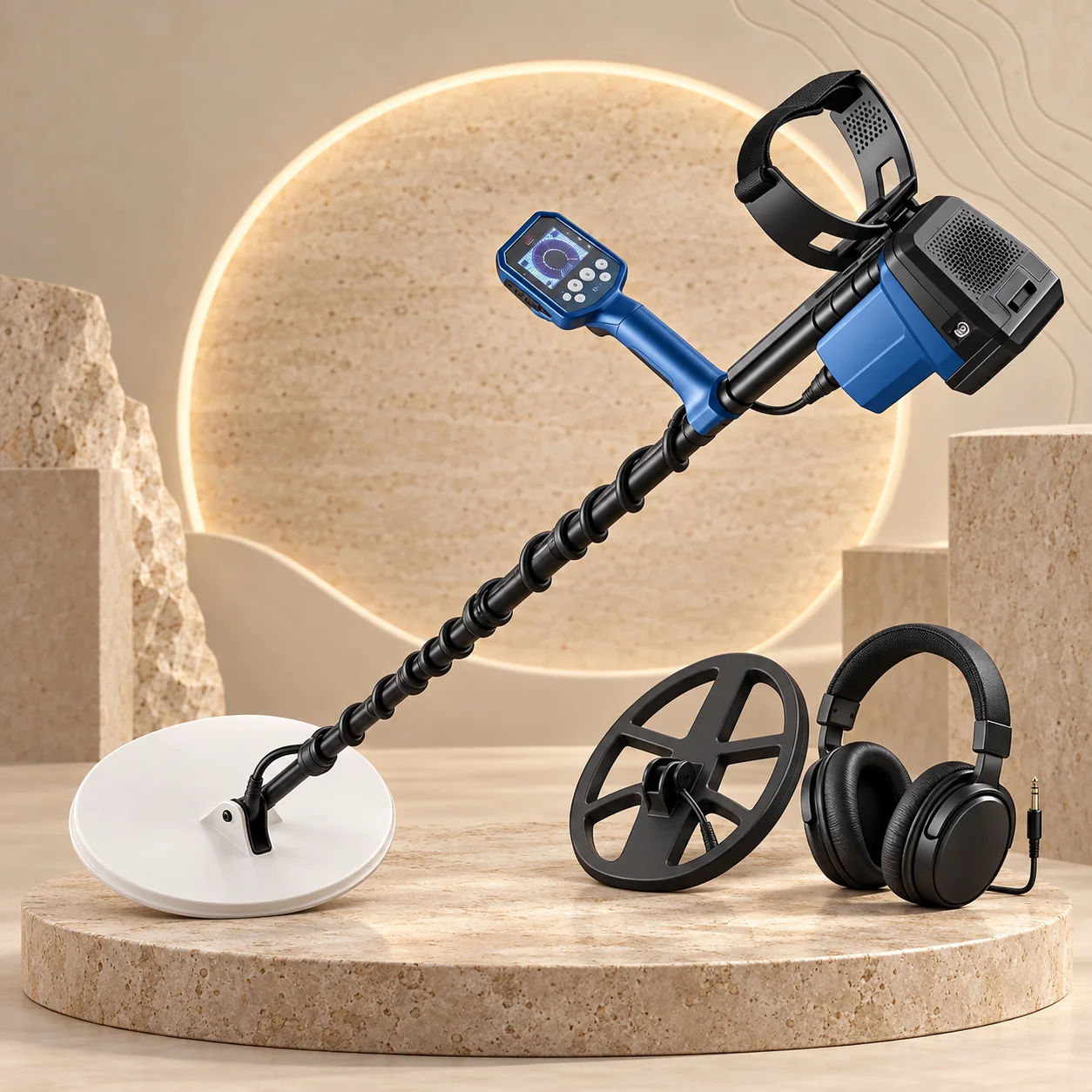
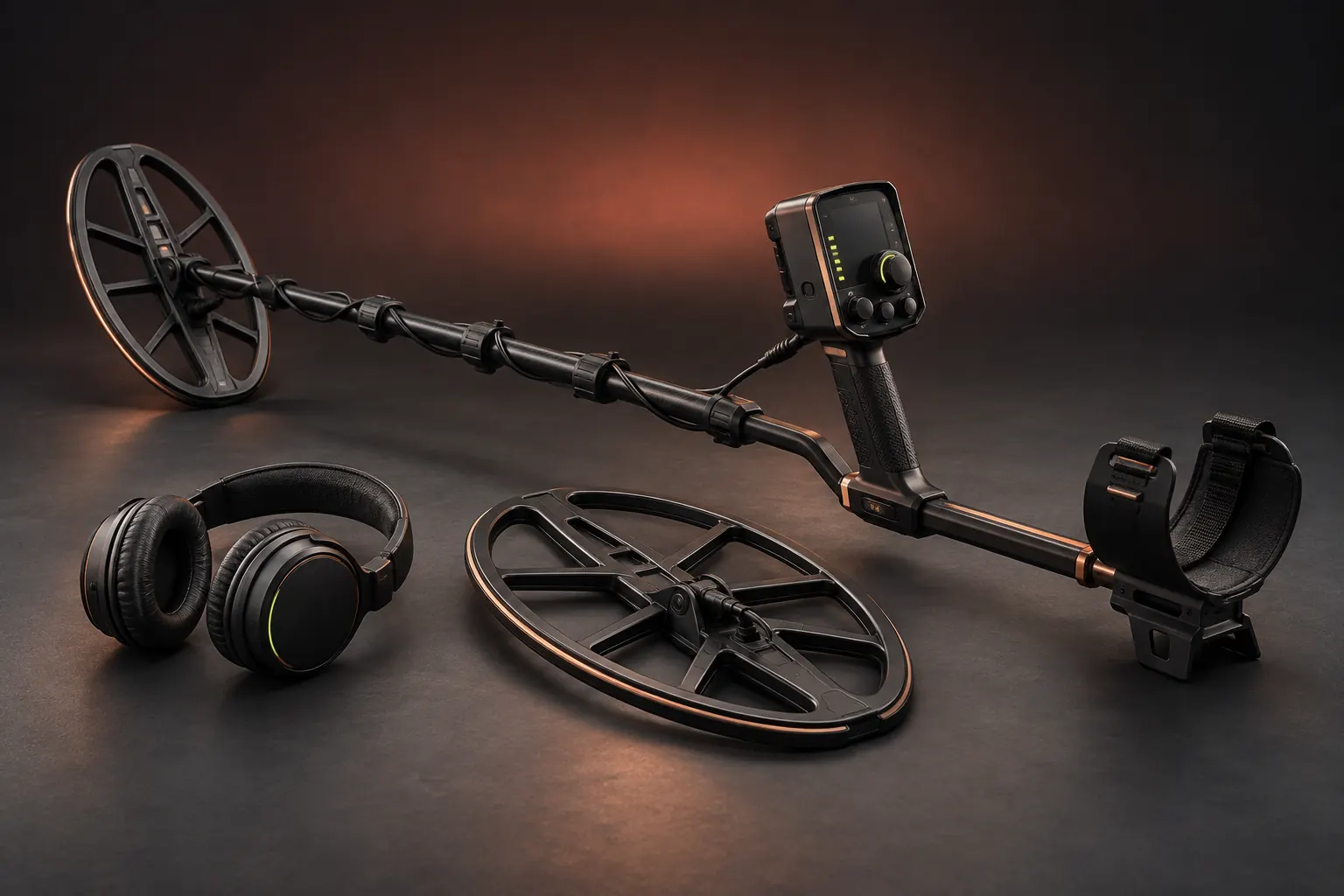
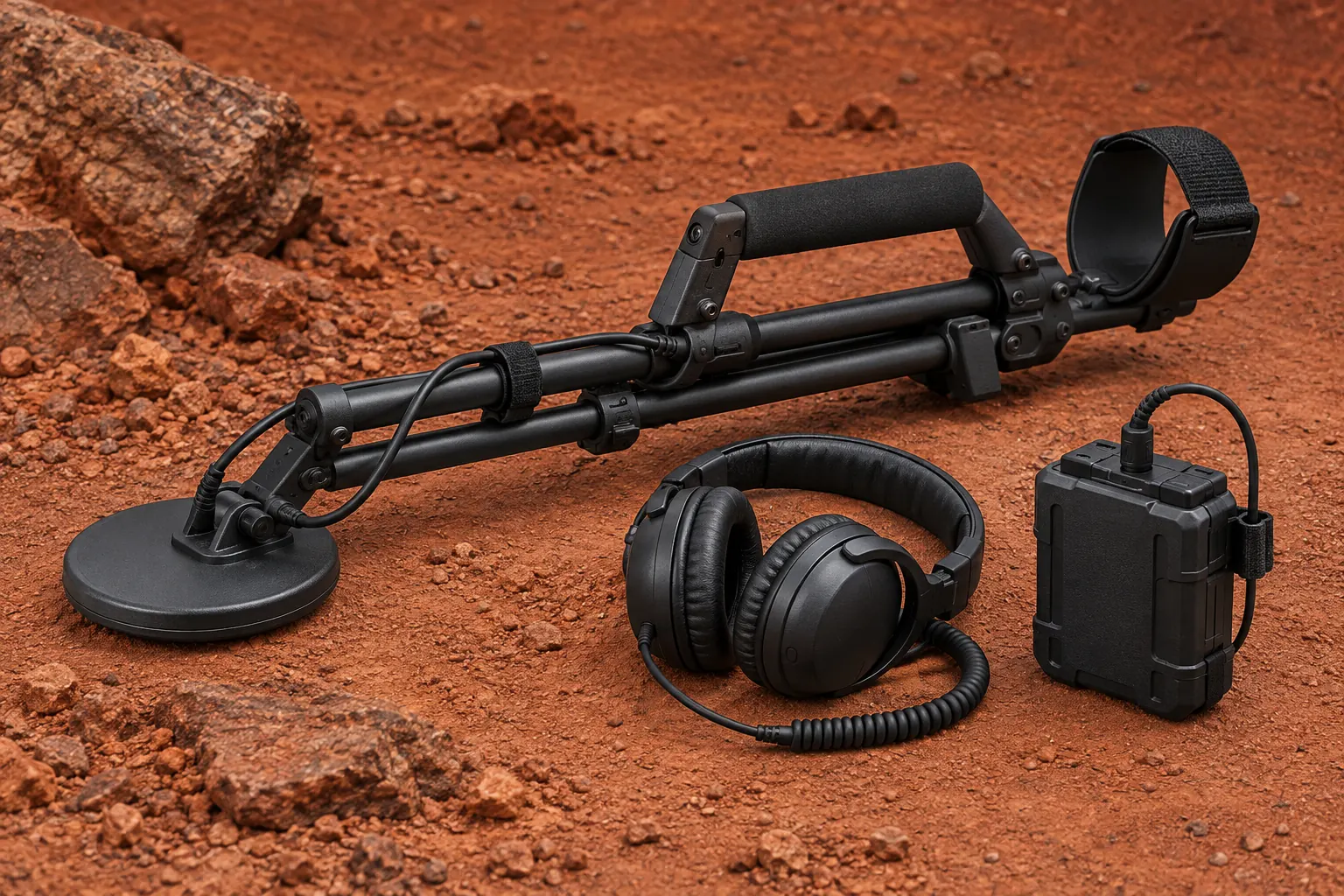
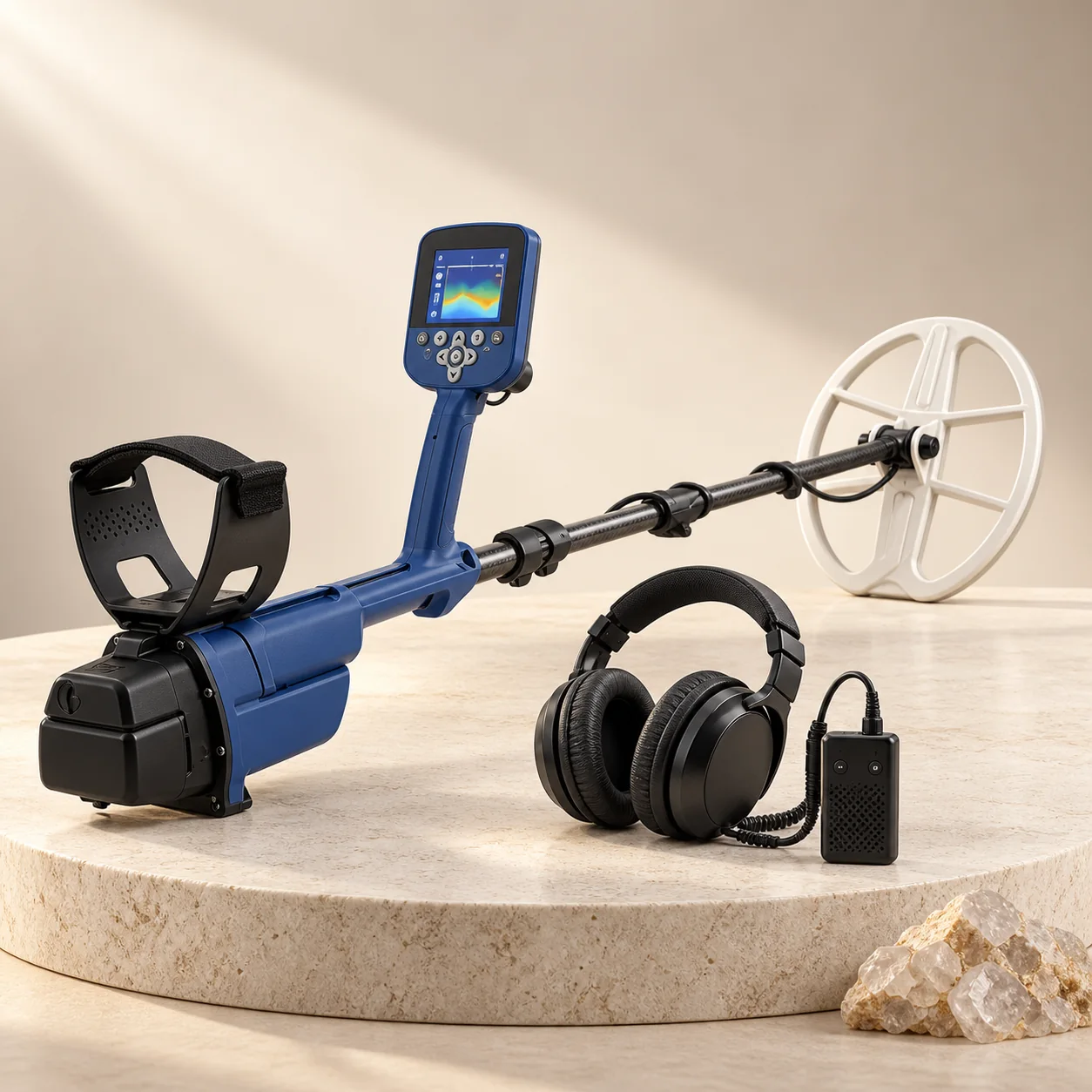
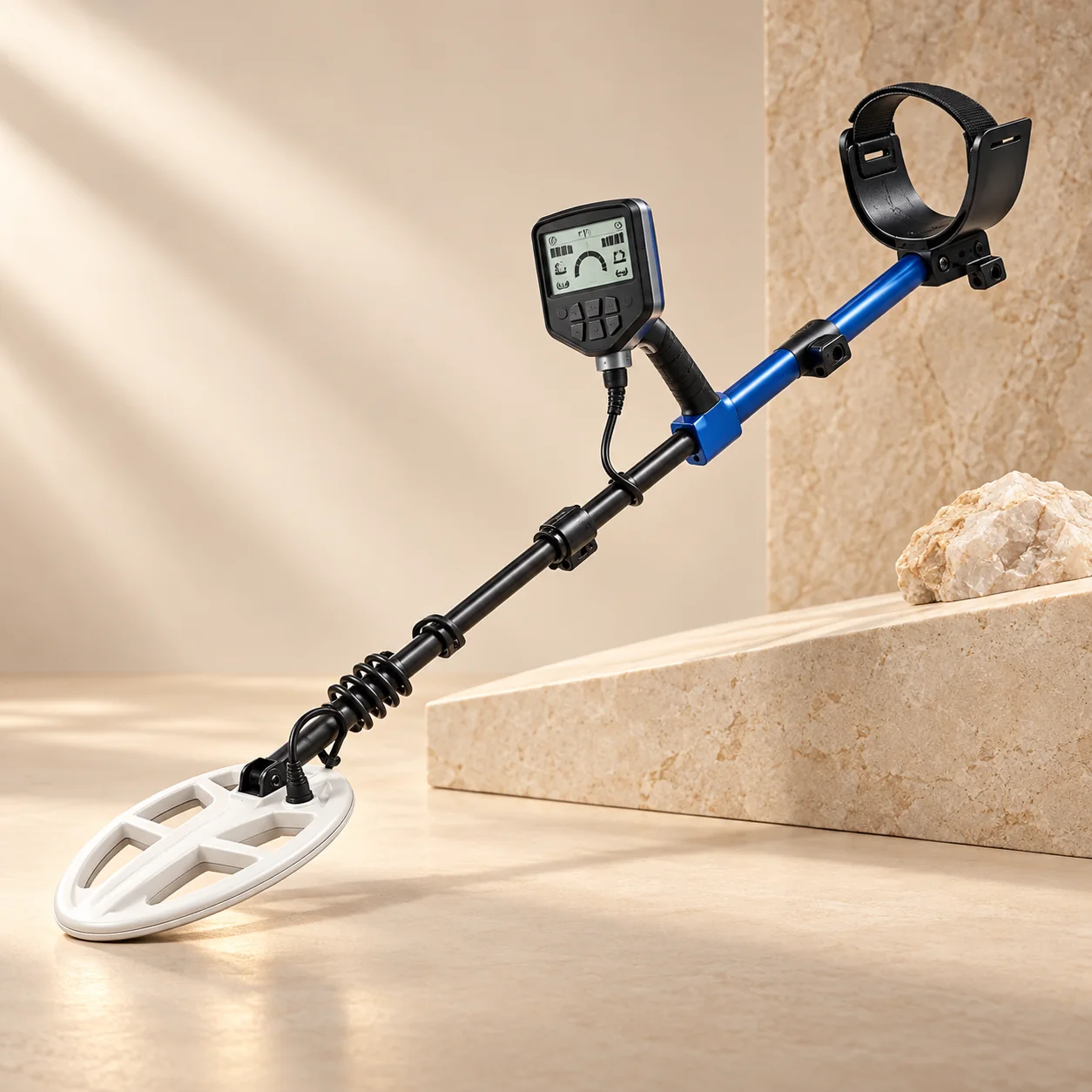
Small gold, large gold and ground coverage pull in different directions
A compact or high-frequency coil can work through rock, scrub and shallow crevices while retaining sensitivity to fine targets. The trade-off is ground covered per sweep and, depending on the system, response to larger deep targets. A larger coil can improve coverage and change target-size response, but it adds leverage, catches vegetation and demands more consistent height across broken ground.
Write the target hypothesis before selecting the coil. If the goal is fine gold on a worked patch, separation and precise overlap may dominate. If the goal is unexplored open ground, sustainable coverage and navigation may matter more. If larger targets are the priority, the detector, timing and coil must be compared against that specific class without converting a controlled air test into a universal depth claim.
Carry load and remote support are detector specifications
Published detector weight rarely describes the whole day. Add the selected coil, spare battery, headphones, harness, pick, water, first aid, navigation and communications. Test shaft balance and control placement for the number of hours actually planned. A detector that is powerful but poorly controlled late in the day can lose overlap and make subtle responses harder to repeat.
Remote work also changes the package. Confirm charge time, run-time conditions, vehicle and mains charging options, replaceable or backup power and the service route within Australia. Record software or firmware requirements before travel. The written quotation should name each component and distinguish manufacturer-standard contents from dealer-created bundles.
Use a five-part purchase record
Keep five headings on the final comparison: legal access, target and ground, detector and coil, field support, and commercial package. Under commercial package record AUD total, GST position, freight, stock status, warranty handler, returns and quotation validity. DeepTrace leaves price empty until these facts are confirmed because an unrelated overseas price is not evidence of Australian availability.
A strong decision is explainable. It should state why the chosen system fits the target and ground, what limitations remain, how the first field test will be run and what permission evidence will be carried. That record is more durable than a ranked list and makes later coil or detector changes measurable rather than anecdotal.
Manufacturer and official authority sources
Checked 2026-09-15. Reopen the current source before relying on a specification, package detail or legal route.
Questions about best gold detector for Australian goldfields
Is pulse induction always the best choice in Australia?
No universal rule applies. PI is relevant to difficult ground, while target size, salt response, coil, carry load and the stability of the exact site still decide.
Should I choose the largest coil?
Only when its coverage, target class, ground behaviour and physical load suit the job. Broken or scrubby ground may favour a smaller controlled coil.
Does buying a detector include permission to prospect?
No. State rules, landholder consent, tenure and protected areas must be checked independently before every trip.